
Mississippi Chancery Probate Matters
Probate is not a separately named court in Mississippi. Chancery Courts exercise probate jurisdiction, and each county's Chancery Clerk keeps its estate files, minute books, and dockets. Chancery also handles guardianships and conservatorships, subjects that may appear beside estate cases but involve different people and protections.
An estate may be testate, meaning a will controls, or intestate, meaning no valid will governs distribution. The court can admit a will, appoint an executor or administrator, require a bond, authorize letters, supervise notices and claims, review accountings, approve a sale, and close the estate. The Chancery record provides proof of that authority. A newspaper notice can alert creditors, but the filed proof and court order control.
Mississippi Probate Terms Defined
These terms identify the roles and events commonly found in a Mississippi estate or protective proceeding.
- Testator
- The person who made the will offered to Chancery Court.
- Executor
- The person named in a will and appointed to administer the estate.
- Intestate
- Dying without a valid will, so intestacy law controls inheritance.
- Letters
- The clerk-issued proof of authority for an executor or administrator after court requirements are met.
- Guardianship
- A court-supervised protective relationship involving personal care or a minor.
- Conservatorship
- A court-supervised arrangement for management of another person's property or finances.
Search Mississippi Probate Records
Start with the decedent's full and former names, approximate death or filing year, county of domicile, and cause number if known. Venue often follows domicile, but property and other probate rules can affect the filing county. Mississippi Electronic Courts may include a participating Chancery Court, yet PAMEC is a paid subscription service and does not cover every court, year, or attachment. There is no universal free statewide probate name search.
- Identify the likely county of domicile or the county where the estate was opened.
- Check PAMEC if that Chancery Court participates, or contact its Chancery Clerk.
- Search name variants, an approximate year, case type, and cause number.
- Review the docket for the estate type, filing date, fiduciary, and events.
- Order certified wills, letters, or decrees from the Chancery Clerk.
For an older case, ask for a manual search of estate indexes, minute books, and archived files. A mailed request should name the exact document, ask for a cost estimate, and include a self-addressed envelope. Do not send cash.
Mississippi Probate Search Fields
Electronic labels can vary by county. The following fields reflect the statewide research inventory and help frame a clear clerk request when no web search exists.
| Field | Use | Search Note |
|---|---|---|
| Decedent/party last name | Primary name key | Try former names and spelling variants |
| First/middle name | Narrows results | May be optional |
| Cause number | Strong alternate key | Enter the exact local format |
| Case type | Limits category | Estate, Guardianship, or Conservatorship |
| Filed date range | Limits time | Older books may not be indexed online |
| Status | Open, Closed, or All | Only where supported |
What Mississippi Probate Files Show
A public estate file may contain the petition, a death record with protected data redacted, the original or probated will and codicils, heir and devisee details, oaths, bonds, letters, publication proof, inventories, appraisals, creditor claims, sale petitions, accountings, receipts, waivers, tax-related papers, and the decree closing the estate. The docket can identify the chancellor, filing date, status, parties, fiduciary, counsel, and chronological events even when an attachment is not online.
Certified copies come from the Chancery Clerk. A bank, title company, or other recipient may ask for certified letters or a will rather than an uncertified docket printout. State probate papers should also be kept distinct from federal bankruptcy records, which concern debtor relief and use separate federal courts.
Mississippi Estate Administration Flow
Administration begins with venue and an earlier-file check. The petition supplies a will when one exists, identifies heirs or devisees, requests appointment, and includes required proof, waivers, or process. After the court admits the will or establishes authority and sets any bond, the clerk issues letters. The fiduciary then protects assets, handles notices, identifies claims and heirs, and follows court requirements.
Valid expenses, claims, and taxes follow priority rules. A real-property sale or contested distribution may need a petition, notice, hearing, and order. The fiduciary accounts, proposes distribution, obtains receipts or waivers, and asks for a closing decree and discharge. Mississippi has simplified small-estate procedures for qualifying facts, but the research did not locate one reliable current online threshold. Confirm the current Code and clerk requirements before relying on an affidavit.
Inventory and accounting records reveal different stages. An inventory lists estate property and values as required, while an accounting reports later receipts, payments, sales, and distributions. Creditor claims can be allowed, disputed, paid, or resolved under court procedure. A closing decree does more than show that time passed. It reflects the final court action on distribution and the fiduciary's request for discharge. Researchers should request the event entry and the filed order when the distinction matters.
Mississippi Wills and Letters
A will found among family papers is not the same as a will admitted by Chancery Court. The probate file can show whether the instrument was offered, whether codicils were included, what order admitted it, and who received authority. Letters testamentary normally reflect an executor's court-approved authority under a will. Letters of administration reflect authority in an intestate estate or another appointment setting.
Request certification when a financial institution, title office, insurer, or court requires official proof. Ask whether the recipient needs the will, the admitting order, current letters, or all three. The docket may list issuance without displaying the instrument. A Chancery Clerk can explain available copy formats and charges but cannot give legal advice about whether authority remains effective. If a later order limits, replaces, or discharges the fiduciary, that document may be just as important as the first letters.
Mississippi Protective Proceedings
Guardianships and conservatorships appear in Chancery Court but should not be treated as ordinary decedent estate files. The case can address personal care, property management, bonds, inventories, reports, accountings, approvals, and court supervision. Because these records may concern a minor, health evidence, incapacity, or private finances, public access can be narrower than access to a routine estate docket.
Search with the protected person's name only through the official Chancery route and state the document needed. A clerk may provide public docket data while withholding a report or exhibit. Parties, counsel, guardians, conservators, and authorized persons can have access that a general requester lacks. When access is denied, ask whether a redacted version exists and what court process governs a request for more.
Restricted Mississippi Probate Records
Guardianship and conservatorship files can include protected medical, minor, and financial material. A public docket entry does not guarantee that every attachment is open. Personal identifiers can be redacted, and sealed material may require legal authority or a court order. Mental-health proceedings and commitment information receive tighter protection. A Chancery Clerk cannot release a restricted document merely because the requester knows the cause number.
Important: Request a redacted public portion when possible, and ask the clerk what process applies to any sealed attachment.
Probate and Federal Case Boundaries
The U.S. Bankruptcy Court for the Northern District of Mississippi shown below maintains federal bankruptcy cases, not Mississippi Chancery probate files.
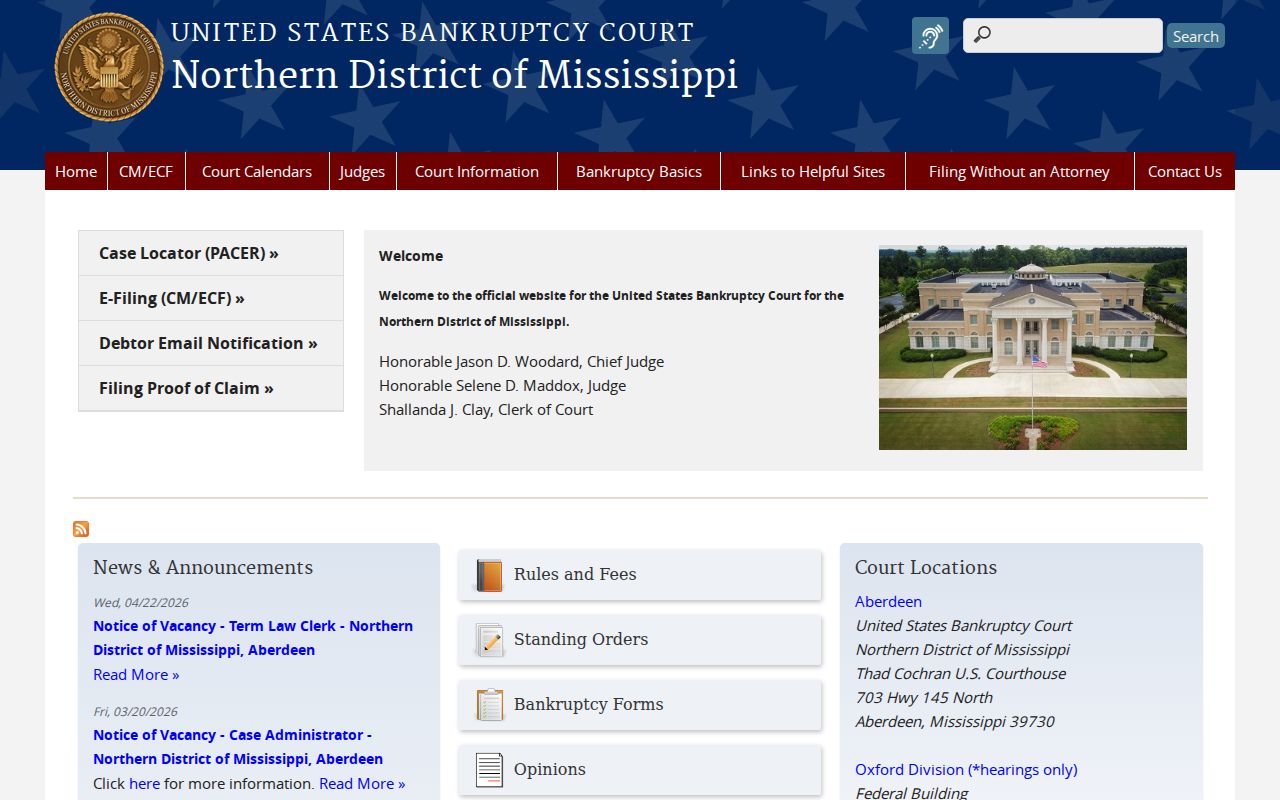
An estate may interact with a bankruptcy claim, but the federal docket and county probate record remain separate.
The U.S. Bankruptcy Court for the Southern District of Mississippi likewise has its own federal filing system.
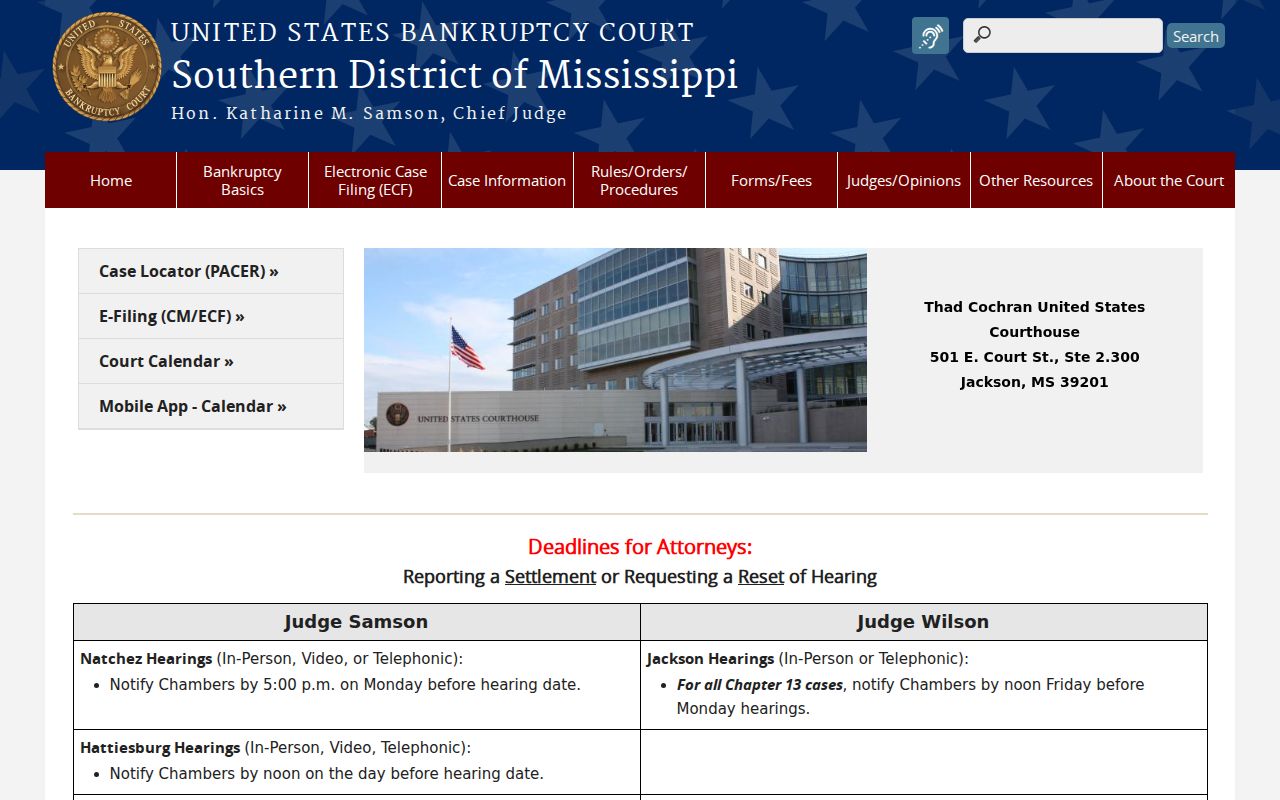
Use the proper bankruptcy court for federal petitions, schedules, claims, plans, and discharge orders, while requesting wills and letters from Chancery Court.
The U.S. Court of Appeals for the Fifth Circuit shown next handles federal appeals from Mississippi, Louisiana, and Texas.
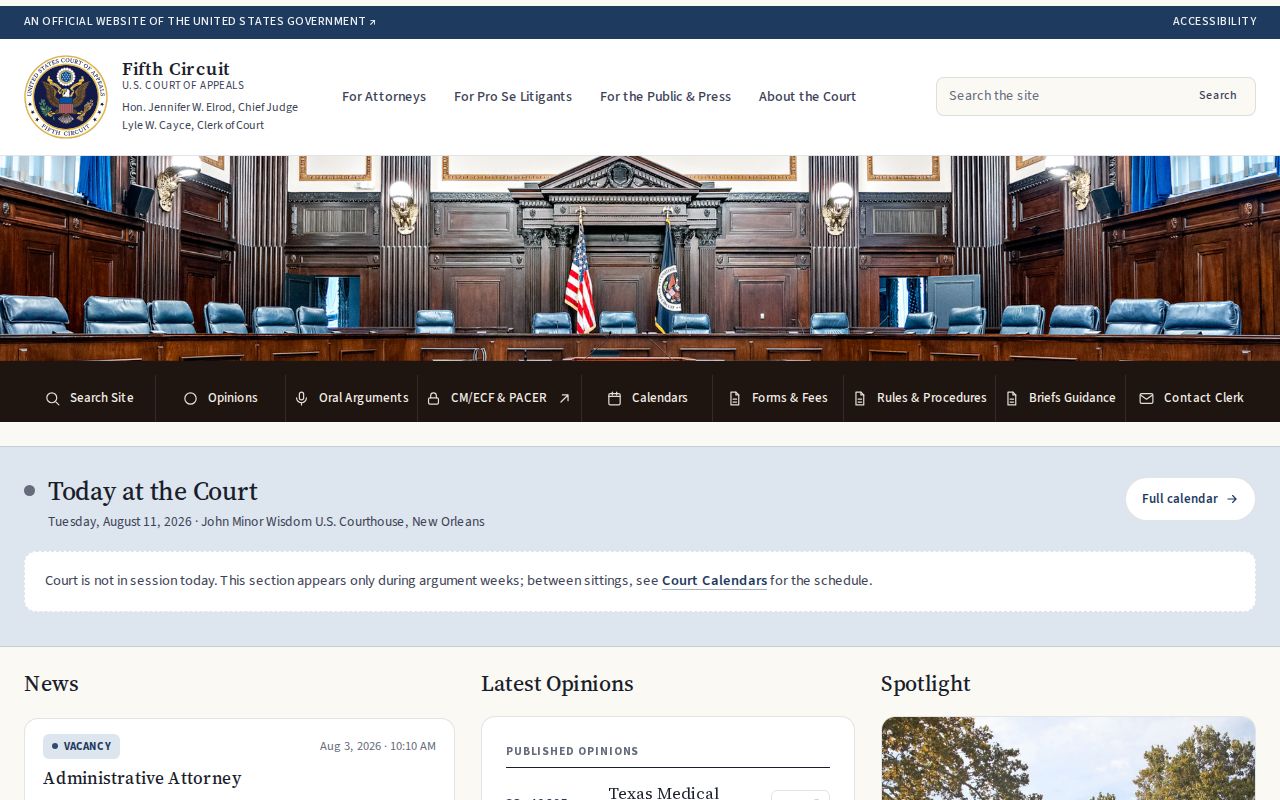
It is not the route for an ordinary Mississippi Chancery probate record request or state appeal.
Mississippi Probate Record Fees
No single current probate total applies across all counties and case types. The filing total can include clerk filing, service, publication, bond, letters, certification, copies, and local charges. Request a written Chancery Clerk estimate before filing or ordering a large file.
| Item | Mississippi Fee Treatment |
|---|---|
| Estate petition | County and case dependent |
| Service or publication | Depends on required process |
| Bond | Depends on court order and estate facts |
| Letters or certified copies | Ask Chancery Clerk for current quote |
| Indigency application | No fee to apply where procedure allows; judge decides |
Locate Mississippi Chancery Records
Choose the filing county in the directory of all 82 Mississippi counties to reach its local record route. Ask the Chancery Clerk about PAMEC coverage, counter inspection, mail or email requests, archive searches, certified-copy charges, and accepted payment. Supply the decedent or ward's name, approximate year, cause number, case type, and exact document sought.